
The Role of Dietary Sugar in Energy Balance and Body Fat Storage
Educational information on nutritional science as discussed in research literature
This website provides general educational information about how dietary sugars contribute to overall energy intake and their relationships with body composition as described in nutritional research. Content is presented to explain concepts, not to advise or influence personal dietary decisions.
Sugar Types and Metabolic Pathways
Dietary sugars include glucose, fructose, and sucrose. Understanding how the body processes these different forms is central to nutritional science. Glucose is absorbed directly and enters the bloodstream, prompting insulin secretion. Fructose is metabolized primarily in the liver, following a different metabolic pathway than glucose. Sucrose is a disaccharide composed of glucose and fructose, which the digestive system breaks down into these component sugars. Each sugar type has distinct metabolic characteristics documented in nutritional physiology literature.
The efficiency of glucose utilization by cells, the hepatic processing of fructose, and the regulation of insulin response are key topics in metabolic research. These processes describe how the body uses and stores energy from different sugar sources, forming the foundation of understanding dietary sugar's role in energy balance.
Added vs. Intrinsic Sugars
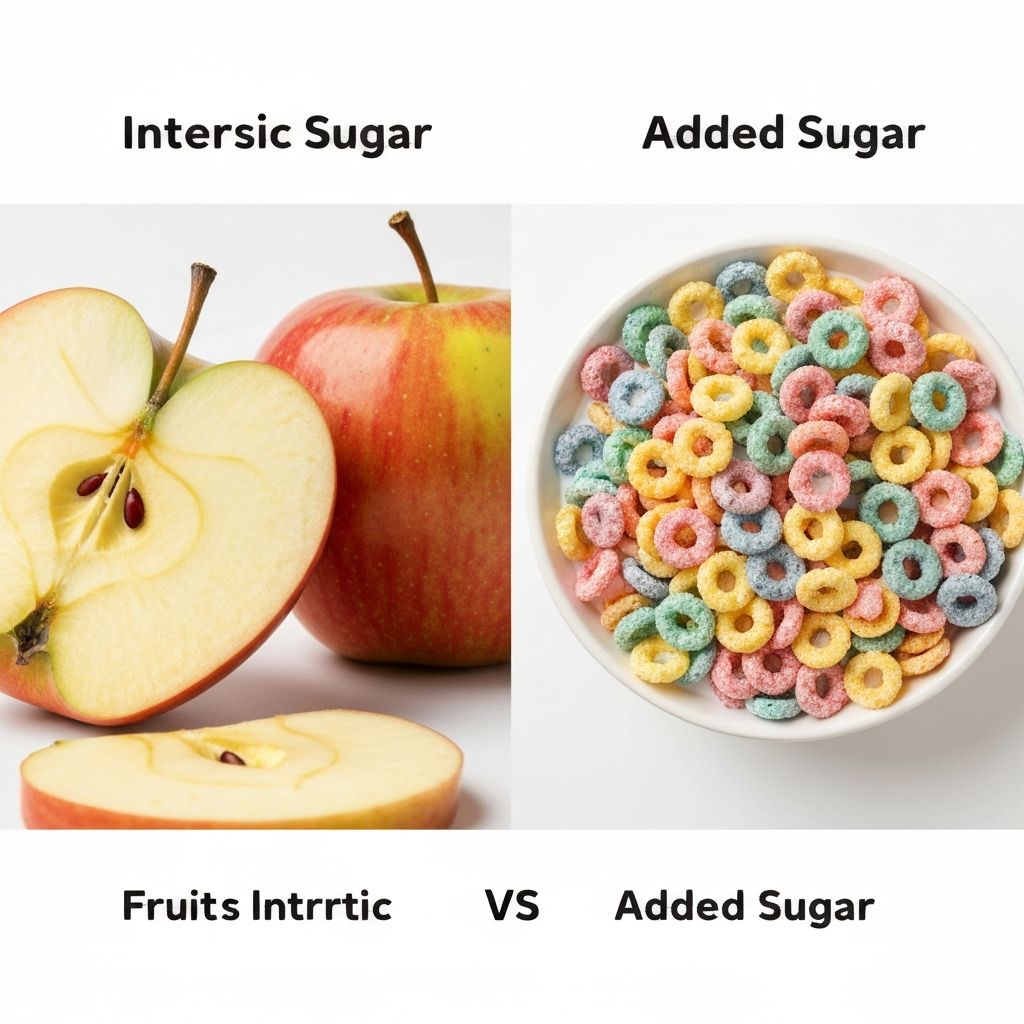
Intrinsic sugars are naturally present within whole foods, such as the fructose in an apple or lactose in milk. These sugars exist alongside fiber, vitamins, minerals, and other nutrients. Added sugars are sugars and syrups introduced during food production or preparation, separate from their natural food matrix.
UK nutritional guidelines distinguish between these categories. Intrinsic sugars contribute to total energy intake but are consumed alongside beneficial dietary components. Added sugars increase overall sugar consumption without the accompanying micronutrients found in whole foods. Understanding this distinction is important for interpreting nutritional research and public health recommendations.
Energy Contribution of Dietary Sugars
Sugars contribute 4 calories per gram, the same as other carbohydrates. Their role in total daily energy intake is determined by the amount consumed. Total energy balance—the relationship between energy intake and expenditure—is the primary determinant of whether dietary energy is stored as body fat, maintained, or mobilized. From a metabolic perspective, a calorie is a unit of energy regardless of its source. Sugars fit into the overall energy balance equation as one component of total carbohydrate intake.
Research documents that body weight trends are associated with total energy surplus rather than specific macronutrient sources alone. This reflects the concept that energy balance is the fundamental driver of fat storage, though the source and timing of that energy may have secondary metabolic effects documented in nutritional science literature.
Common UK Foods with Added Sugars

According to UK food composition databases, added sugars are prevalent in many commonly consumed products. Soft drinks and sugary beverages can contain 30-40g of sugar per can. Flavored yoghurts often contain 15-25g added sugar per serving. Ready-to-eat cereals vary widely, with some breakfast cereals containing 10-15g per 30g portion. Biscuits, chocolate bars, and confectionery are obvious sources. Even savory products like tomato sauce and salad dressings may contain added sugars.
These products represent typical consumption patterns in UK diets. Understanding where added sugars appear is informational, helping to contextualize nutrition literature without promoting specific dietary changes. The presence of added sugars in many processed foods reflects manufacturing practices and product formulation in the food industry.
Metabolic Context: Liver Processing and Hormonal Response
When dietary sugars enter the body, the liver plays a central role in metabolic regulation. Glucose entering the bloodstream triggers insulin secretion from the pancreas. Insulin facilitates cellular glucose uptake and signals the body to shift into a fed state. Fructose is processed almost exclusively by the liver in a pathway distinct from glucose. The liver can store glucose as glycogen (the stored carbohydrate form) or convert excess energy to fat through a process called de novo lipogenesis, documented in biochemical literature.
These metabolic pathways are constitutive—they occur whether energy is in surplus or deficit. The capacity of the liver to produce fat from carbohydrates exists as a metabolic process, but whether this process results in net fat storage depends on the overall energy balance of the organism. This represents the physiological context in which sugar is metabolized, separate from the question of whether sugar consumption creates a surplus.
Population Associations with High Sugar Intake
Observational research documents associations between high sugar intake patterns and increased body weight in population studies. These studies show correlations between added sugar consumption and higher average BMI across groups. However, these associations do not isolate sugar as the exclusive cause of weight differences. Multiple variables co-vary in observational research: total energy intake, physical activity, other dietary components, socioeconomic factors, and genetic variation all influence body composition.
Research demonstrates that when total energy intake and expenditure are controlled, sugar's independent effect becomes more difficult to isolate. Population-level trends suggest that high-sugar diets often occur alongside other energy-dense eating patterns, making it difficult to attribute body weight changes to sugar alone versus overall energy balance.

Total Energy Balance as Primary Driver of Fat Storage
From a thermodynamic perspective, body fat is stored when energy intake exceeds expenditure, and mobilized when expenditure exceeds intake. This energy balance principle is foundational to nutritional science. While the macronutrient composition of the diet may affect satiety, metabolic rate, or thermic effect of food to varying degrees, the quantity of total energy remains the dominant factor in body composition changes documented in research literature.
Dietary sugars contribute to energy balance quantitatively. A reduction in sugar consumption that results in lower total energy intake would, according to energy balance principles, shift the equation toward greater energy expenditure relative to intake. However, the converse—that sugar reduction alone, without reducing overall energy, would change fat storage—is not supported by mechanistic understanding of energy balance.

UK Guidelines and Public Health Context
The UK's Scientific Advisory Committee on Nutrition (SACN) provides evidence-based recommendations on sugar intake. SACN reports recommend that free sugars (added sugars and sugars naturally present in juices and syrups) should represent no more than 5-10% of total daily energy intake in the general population. These recommendations are informed by research on dental health, nutrient displacement, and energy balance.
The NHS and Public Health England provide similar guidance, framed in terms of general population health rather than individual weight outcomes. UK nutritional guidelines acknowledge sugar's contribution to total energy intake and its prevalence in many processed foods. These guidelines are presented as informational context without personal directives on sugar reduction for specific body composition outcomes.
Research Limitations and Contextual Complexity
Isolating the effect of a single nutrient from the overall diet is methodologically challenging. In observational studies, individuals who consume high amounts of sugar often differ in many other ways from those who consume little. Controlled experimental studies can be short-term and may not capture effects that emerge over years of dietary patterns. Long-term randomized controlled trials on sugar reduction and body composition are limited in number and often show modest effects that are largely explained by overall energy reduction.
Individual variation in metabolism, genetic factors, activity levels, sleep, stress, and numerous other variables influence how different people respond to dietary changes. Research documents the complexity of these relationships, resisting simple cause-and-effect narratives about single nutrients and body composition. This complexity is why the scientific literature emphasizes that relationships between dietary components and body composition are highly individual and multifactorial.
Featured Articles
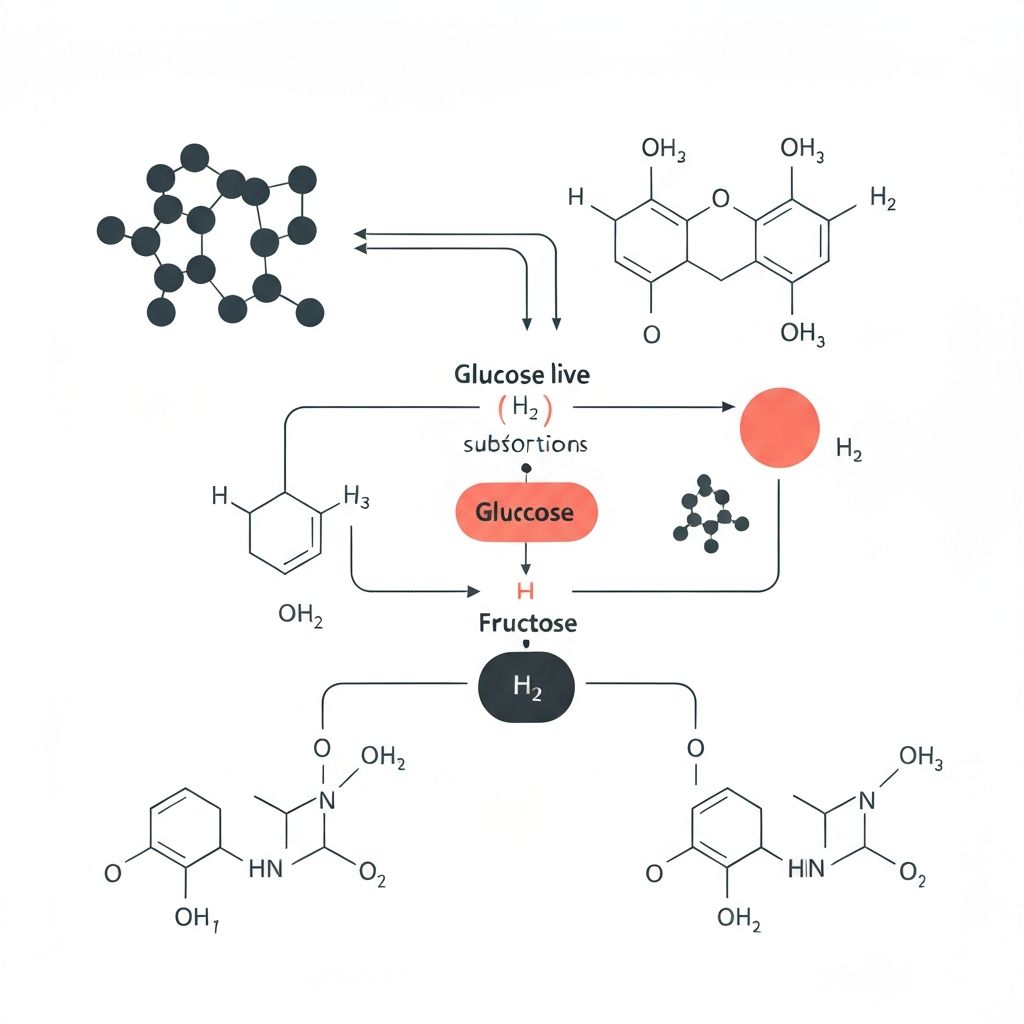
Metabolic Pathways of Fructose and Glucose
Explore the distinct metabolic routes that fructose and glucose follow in the body, from absorption through utilization and storage.
Read more
Added Sugars in Everyday UK Foods
Detailed examination of the added sugar content in typical British products and beverages based on food composition databases.
Read more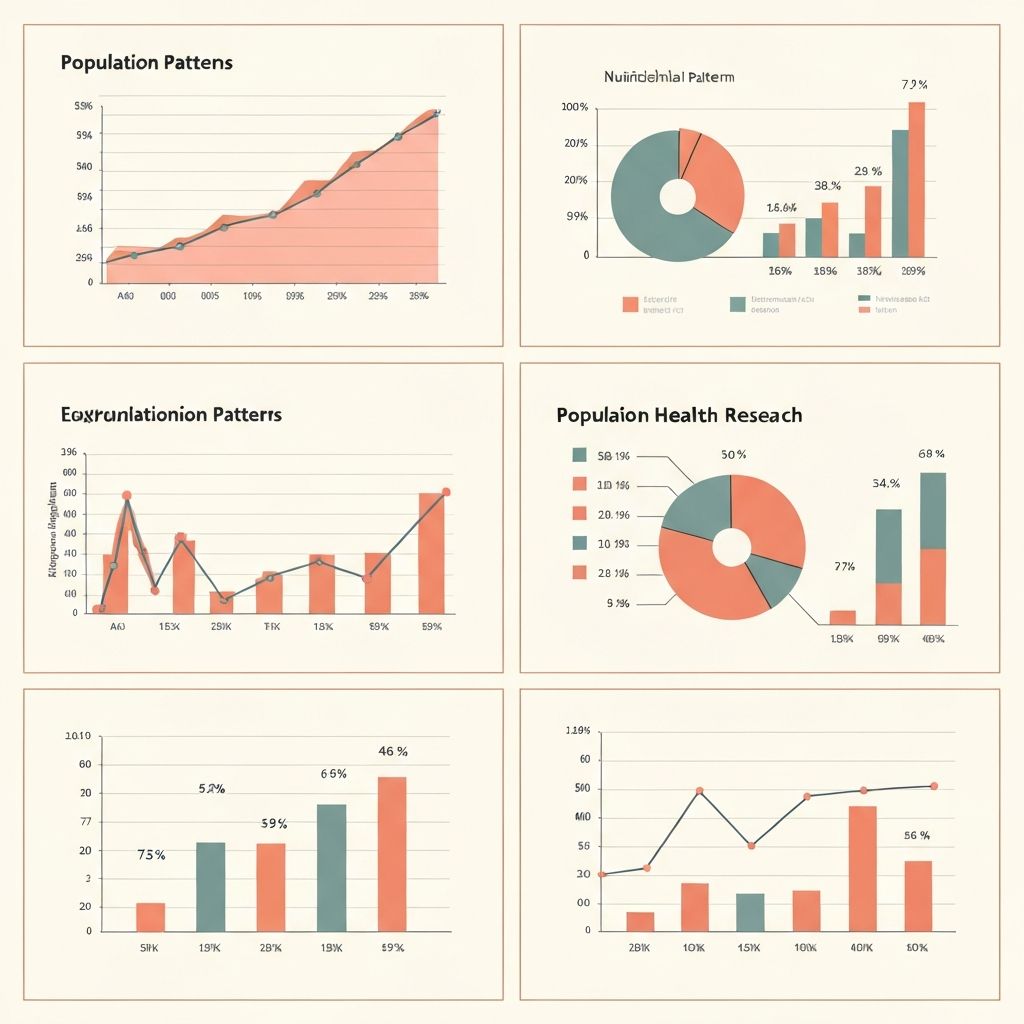
Observational Data on Sugar Intake Patterns
Review of population-level research showing associations between sugar consumption patterns and body weight trends.
Read more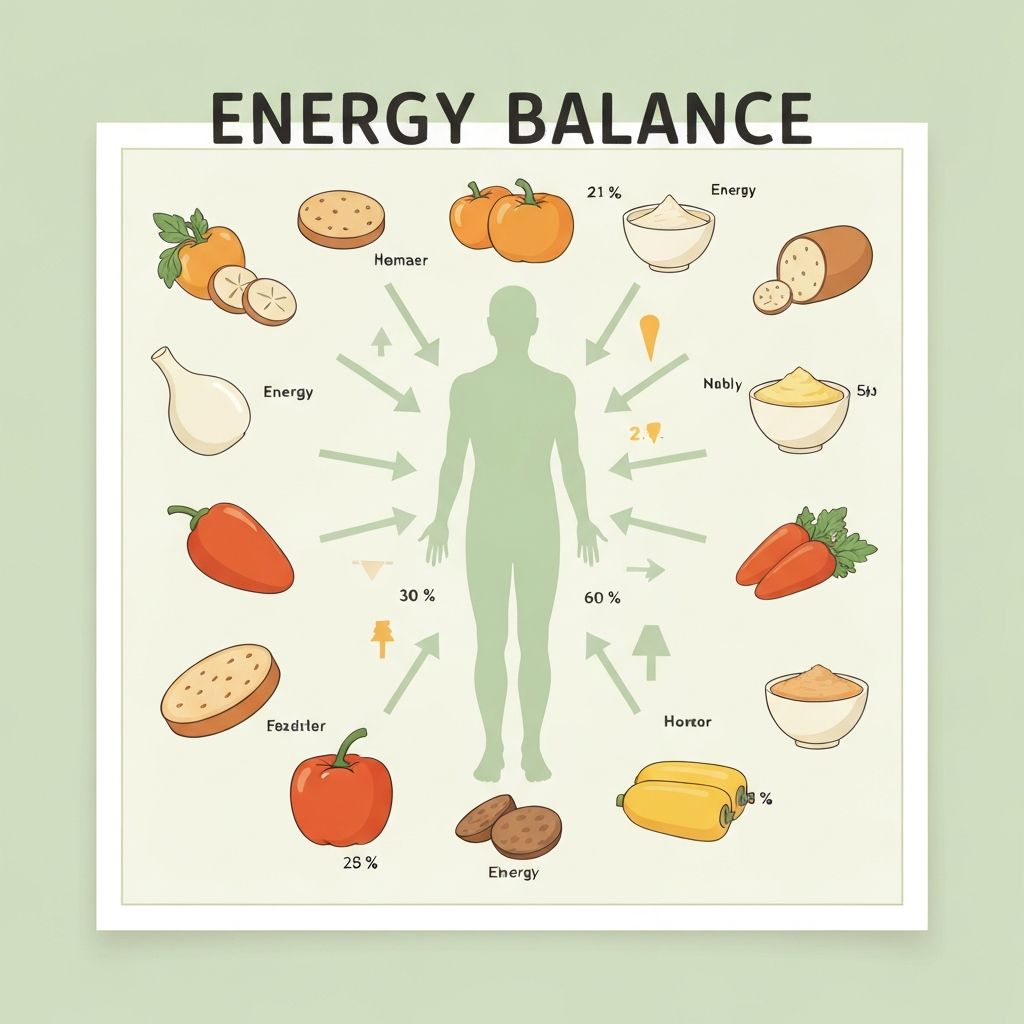
Energy Surplus and Fat Storage Mechanisms
Understanding how total energy balance, rather than specific nutrients, drives body fat storage and mobilization.
Read more
SACN Guidelines on Free Sugars
How sugar is addressed in UK government health documents and the scientific basis for current recommendations.
Read more
Challenges in Sugar-Focused Research
Methodological limitations in isolating sugar's effects and the complexity of nutritional science research.
Read moreExplore More on Sugar in Nutrition
Visit our blog for detailed articles on nutritional science, metabolic research, and the role of dietary sugar in human nutrition.
Continue readingEducational Notice: This website provides general educational information only. The content is not intended as, and should not be interpreted as, personalised dietary or health advice. Relationships between dietary components and body composition are complex and vary between individuals. For personal nutrition decisions, consult qualified healthcare or nutrition professionals.